
The short answer is yes
Coconut oil clogs drains. It is liquid when warm and turns solid or semi-solid as it cools, depending on the temperature of the room and the pipe. Poured down a sink it spreads thinly, then cools in the trap and the line, where it sticks to the wall and traps food and soap.
Other cooking fats do the same thing. Bacon grease, butter and shortening all harden. Coconut oil gets special attention because it is popular for cooking and for skin and hair, and people assume it is gentle. Whatever its benefits, it does not belong in a drain.
What happens inside the pipe
Fat sticks to the inside wall of the pipe and builds a coating that narrows it. Soap, hair and food scraps stick to the coating, so the clog gets thicker with each use. In a kitchen line the result is a sink that drains slowly, then stops.
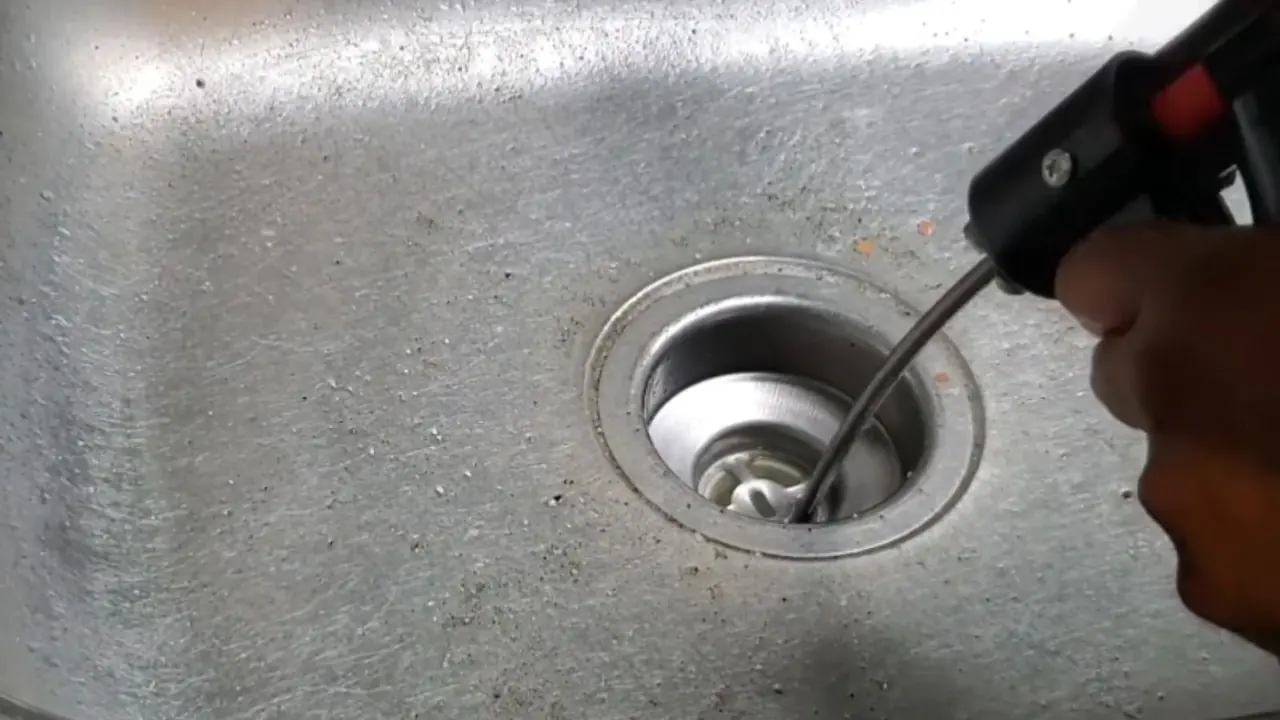
In some cases fat that has combined with other debris forms a firm mass that no ordinary plunger will move. That is when a plumber uses a cable or a high pressure water jet. See hydro jetting for lines with heavy buildup.
What to do with used oil instead
- Let it cool in the pan, then wipe it out with a paper towel.
- Pour small amounts into a sealed can or jar and put it in the trash.
- Do not pour it down the toilet or onto the ground.
- For hair and skin products, rinse with plenty of soap and water, and use a drain strainer.
Do not run the disposal as a way to chop fat. It does not remove it, and it breaks it into pieces that stick to the pipe.
Talk to a plumber about does coconut oil clog drains
Call the 24/7 line and describe your situation. We will say what we would check first.
Kitchen fats and how they behave
| Fat | At room temperature | Where it ends up |
|---|---|---|
| Coconut oil | Often solid or semi-solid | Trap and horizontal line. |
| Bacon grease | Solid | Trap and line. |
| Butter | Soft solid | Trap. |
| Olive and vegetable oil | Liquid but can coat | Pipe walls. |
| Shortening | Solid | Trap and line. |
How a plumber clears a fat clog
We start by finding out how far the clog goes. A cable breaks up a plug near the trap. A heavier buildup further down is cleared with a water jet that scrubs the pipe wall rather than punching a hole through it.
If the line clogs again within weeks, we use a camera to look for a sag or a rough joint holding fat in place. See drain cleaning for the process.
Myths about dissolving fat in a drain
Many home remedies sound plausible and do little. Hot water moves fat down the pipe where it cools and sticks again. Baking soda and vinegar fizz but do not dissolve a plug of fat. Dish soap helps loosen a film a little, but it will not clear a solid blockage.
Chemical openers can work on small clogs, yet they sit in the pipe, can damage older metal, and are hazardous to a plumber who later opens the line. We advise against them.
Skin and hair products count too
The same logic applies to coconut oil used on hair and skin. A small amount rinsed with plenty of soapy water is not a problem on its own, but regular use combined with hair in a shower drain builds the same kind of mat.
Keep a catcher in the shower and clean it weekly. If a bathroom sink drains slowly, a quick look at the trap often finds the cause, and our drain cleaning visit covers the rest of the line.
A simple routine that protects a kitchen line
After cooking, scrape pans into the trash and wipe with a paper towel before washing. Wash with hot, soapy water, then run cold water for thirty seconds. Once a month, remove the strainer and rinse the trap area.
If your sink drains slowly even with this routine, the line may have old buildup further down. A visit with a cable or a jet clears it and resets the baseline.
A local note for North Miami Beach homes
Because our weather is warm, coconut oil may stay liquid in a kitchen and only harden once it hits the cooler pipe, which can be below the slab or outside the house. That is why it feels harmless when you pour it and costly when the line stops.
Restaurants and food businesses in the area should follow local grease rules. Ask the city or your landlord what applies, and see our commercial plumbing page for business lines. Our two nearest service areas are North Miami and Aventura.
Commercial kitchens are covered by grease interceptor rules in the Florida Building Code, Plumbing, which is based on the International Plumbing Code (IPC), plus local health rules.
Questions about this topic
No. Hot water only carries it further, where it cools and sticks.
It does not dissolve fat and rarely clears a real clog.
Small amounts can build up over time with hair. Use a strainer and rinse well.
A kitchen line that clogs repeatedly, with a greasy smell and slow water, is a strong sign.
They often need grease traps. Ask the city or building department about the rules for your address.
Want a plumber to look at it?
Call the line and describe what you see. We will say what we would check first.